Club Spotlight: UPEI Squash club fight to keep their courts
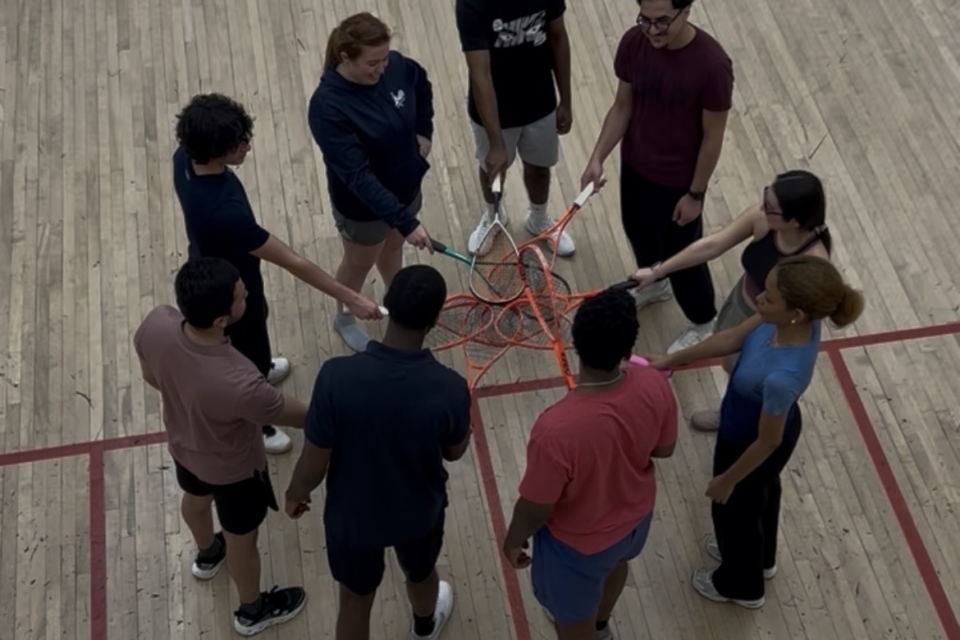
What started as a small group of students casually playing squash has quickly grown into a thriving recreational community at UPEI. Just a year into them officially forming, the UPEI Squash Recreational Club finds itself advocating to preserve the very courts that brought the group together.
The club was ratified last fall by students who regularly met to play on campus. “It started out as just a few of us playing last winter,” said club president Shema Ruboneka, a fourth-year Business Administration student. “Sometimes, some of us couldn’t make it, and we thought it would be so good if we could find a time when we could all play together. One of the other executives suggested starting a club, and that’s how it took off.”
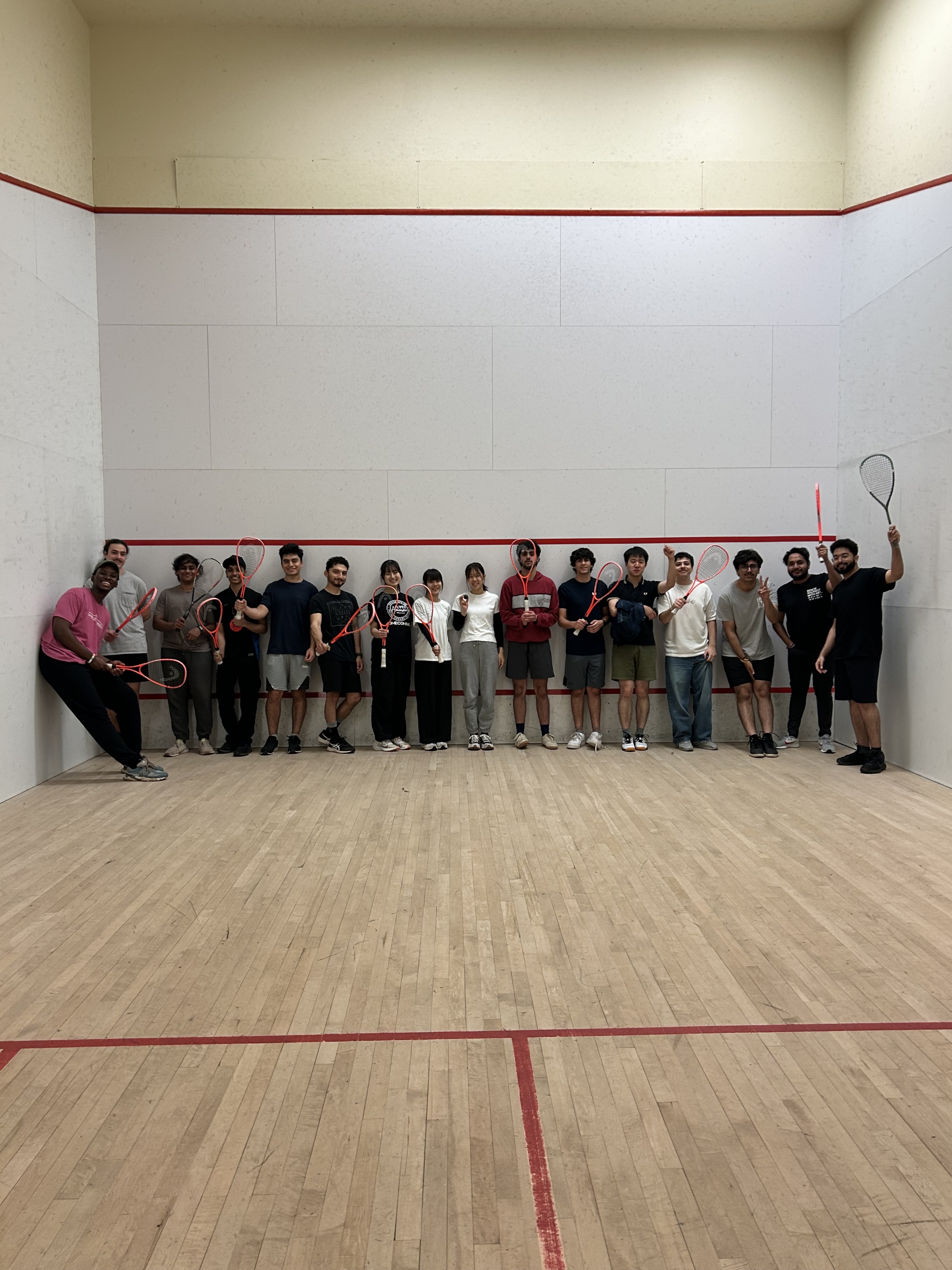
Since being ratified, the club has steadily built momentum. Drop-in sessions run twice a week, Mondays and Thursdays from 7 to 9 p.m., with the club bringing its own rackets thanks to sponsorship from Squash PEI. The provincial organization also partners with the club to provide training support and skill development for new players. Attendance has remained strong. During the fall semester, the club averaged around 20 participants per night. This semester, attendance typically sits between 14 and 15 players per session, moving close to capacity given the two-court facility.
Managing that level of interest presents its own challenge. “Twenty people over two hours on two courts is already a lot,” said club treasurer Mubashir Ahmed, also a fourth-year business student. “You can only have two people playing at a time.”
Despite its recreational focus, the club has attracted a wide range of participants, including students from every year level and a notable number of exchange students looking to try something new. Both executives came to squash through different paths. Ahmed discovered the sport after arriving at UPEI. Already a fan of racket sports like tennis, he noticed the squash courts while visiting the gym and decided to give it a try. “I tried squash last summer and loved it,” he said. “Now it has become the main sport that I play.”
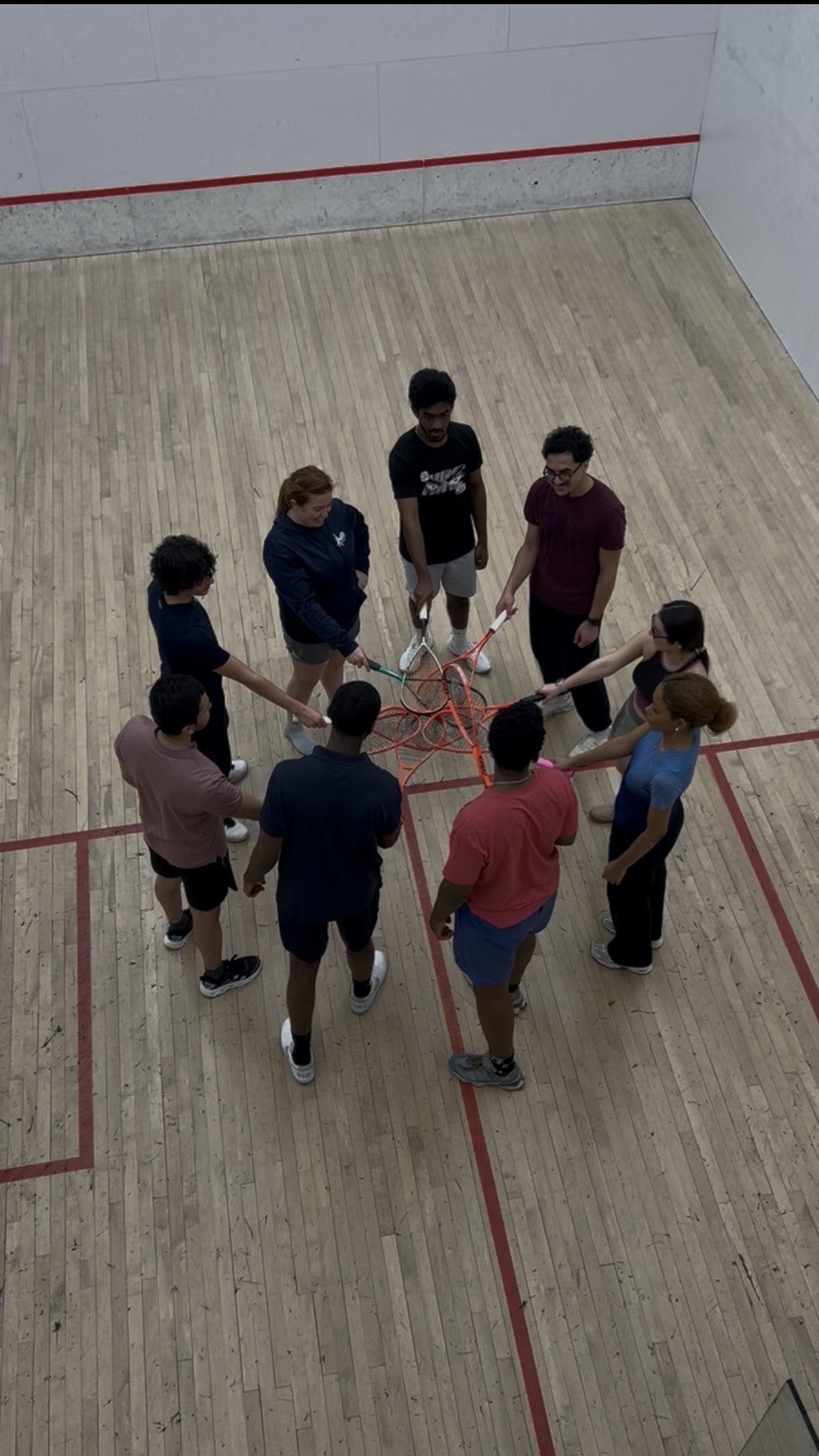
The club prides itself on being beginner-friendly while still offering space for experienced players. On Mondays, a designated trainer helps newcomers learn the basics, while more experienced players rotate through matches. The club also maintains a social media page and group chat where members can coordinate games outside of scheduled sessions.
Screenshot
“We’re trying to build community,” Ruboneka said. “People can just message and say, ‘I booked a court at this time, does anyone want to play?’” But the club’s growth has been met with uncertainty about the future of the squash courts. Earlier this year, the university announced plans to potentially convert the squash court space into a high-performance training facility. While rumours had circulated earlier, the proposal was confirmed in an email in late January.
The news prompted a swift response from the club and the broader squash community. A petition circulated gathered more than 1,500 signatures. More importantly, over 300 individuals emailed the university’s Vice-President of Administration and Finance to share their concerns. “The petition is important,” Ruboneka said, “but the emails are what will primarily influence the university’s decision.”
Club members worry that losing the courts would leave them with no on-campus alternative. The only other nearby squash courts are off campus, with limited access and possible additional fees. The executives believe the current demand for the courts may also be underestimated. “We understand why they want to build that facility,” Ruboneka said. “It would be beneficial for athletes and for recruitment. But we don’t think it should come at the expense of the people currently using the space.”
Later this semester, members hope to host a match-up event where players can test their skills against one another and celebrate the club’s first full year. The event could serve as both a celebration and, depending on the outcome of the university’s decision, a farewell to the courts that started it all. “We hope it doesn’t come to that,” Ruboneka said. “But it will be a way to thank everyone who’s been part of the club.”
They are still sorting out details and next steps if the courts are ultimately removed. Regardless of the outcome, the executives say they intend to keep advocating for the sport and the community they’ve built around it. Students interested in learning more or joining a session can find the club online through its social media page @upei_squash_rec_club or attend drop-in nights at the UPEI squash courts on Mondays and Thursdays.